Introduction to Artificial Intelligence for Kids: Basic Concepts and Capabilities
Introduction to Artificial Intelligence for Kids: Core Concepts and Opportunities
We adapt to change before others even notice it!
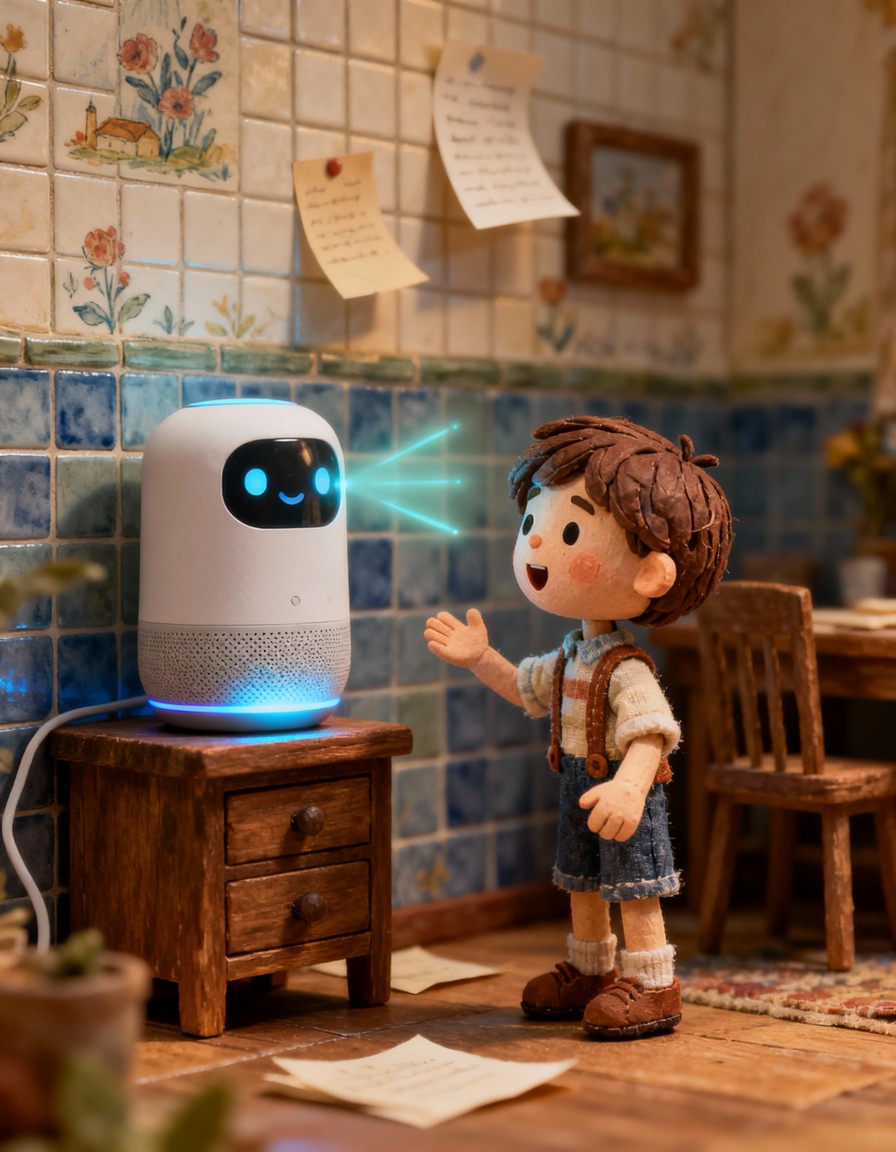
In a time when digital technologies are transforming the way children learn and grow, artificial intelligence is no longer a futuristic idea — it’s a reality that surrounds them every day. From the moment a child asks Alexa or Siri about the weather to the YouTube recommendations they watch after school, AI is everywhere. The question is no longer whether we should introduce children to the world of artificial intelligence, but how to do it in the most appropriate and ethical way.
Recent studies show that over 78% of Bulgarian children aged 4–8 interact with AI technologies daily, often without realizing it. This reality presents new challenges for parents, teachers, and educational institutions — how can we turn unconscious use into meaningful learning and development?
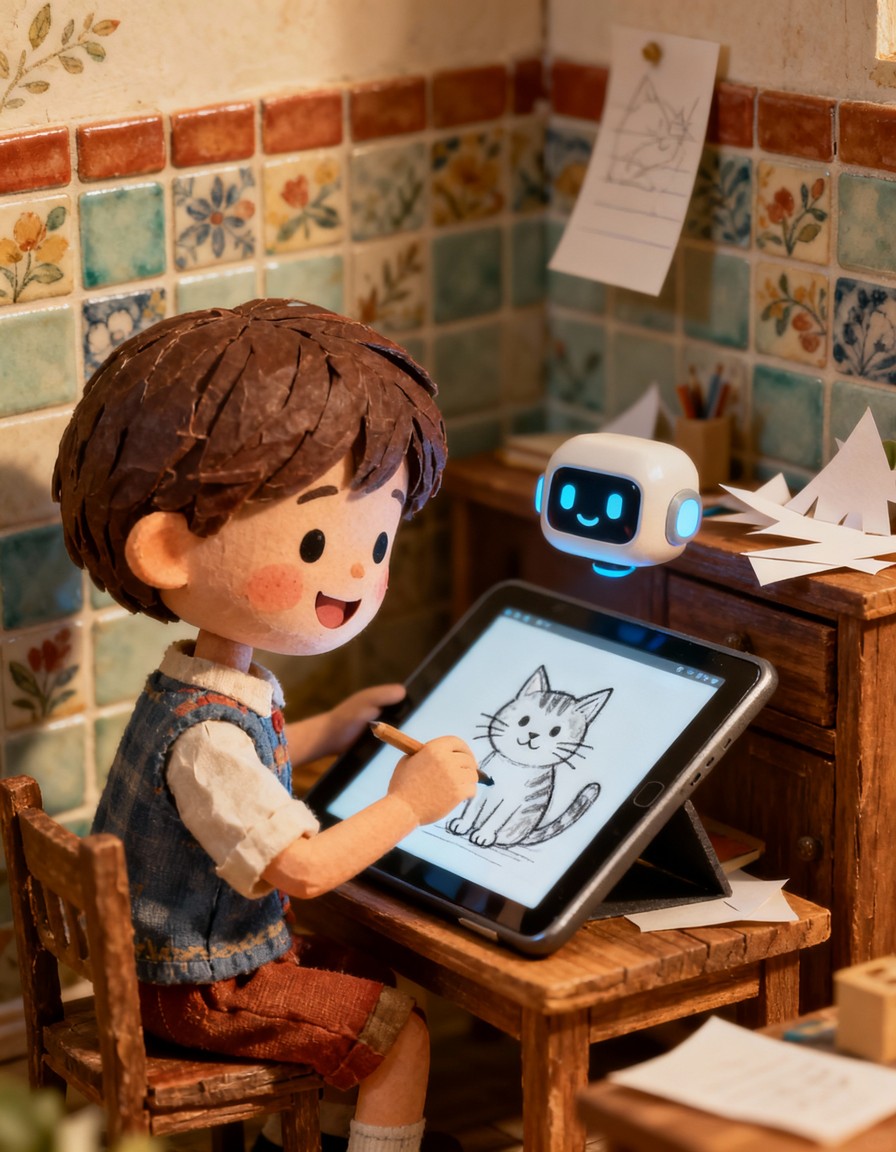
Imagine artificial intelligence as a very smart machine that can learn — just like children do. When a child sees many cats, they start recognizing what makes a cat a “cat” — the fluffy fur, the meowing, the tail. Similarly, AI “looks” at thousands of cat images and learns to recognize them.
Today’s children live in a world filled with AI technologies that often remain invisible to them:
- Voice assistants – When they ask “Alexa, what’s the weather?”, they’re actually talking to AI
- Video recommendations – YouTube and TikTok use AI to suggest videos they might enjoy
- Games – Many mobile games use AI to adjust difficulty based on the child’s skill level
- Automatic recognition – When parents use Google Photos, AI automatically groups their pictures by faces and places
This hidden AI shapes their experiences without them even realizing it. That’s why it’s important to make the invisible visible — and understandable.
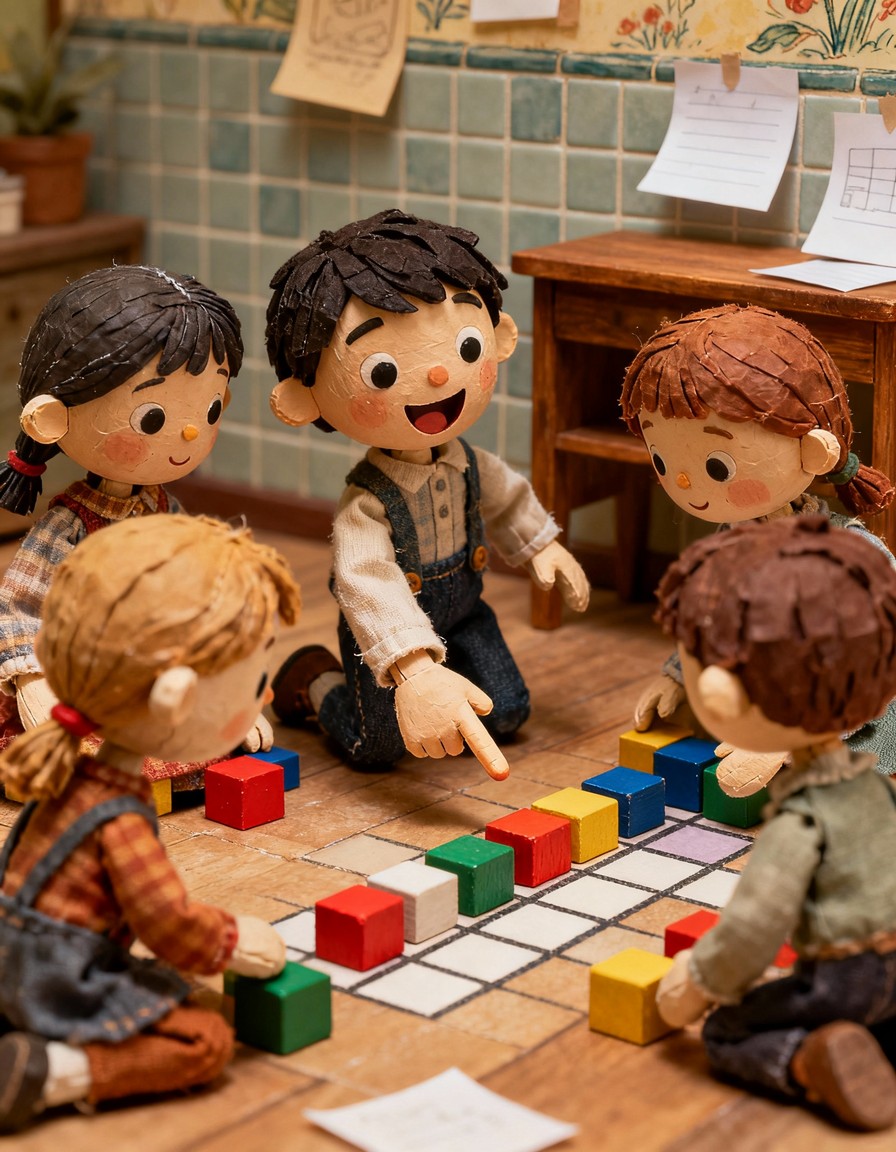
One of AI’s most basic functions is pattern recognition. Children can understand this concept through simple games:
Hands-on Activity: “The Pattern Game”
- Show the child a sequence of colored blocks: red, blue, red, blue, red, ?
- Ask what color should come next
- Explain that AI “thinks” the same way — by looking for patterns in data
Hands-on Activity: “Teaching AI to Draw”
- Use Google’s Quick, Draw! to show how AI tries to guess their drawings
- Explain that the more people draw cats, the better AI gets at recognizing them
- Show how mistakes help AI improve
Explain to children that data is like food for AI — the more diverse and high-quality data it “eats,” the smarter it becomes. Just like they need a balanced diet to grow healthy.
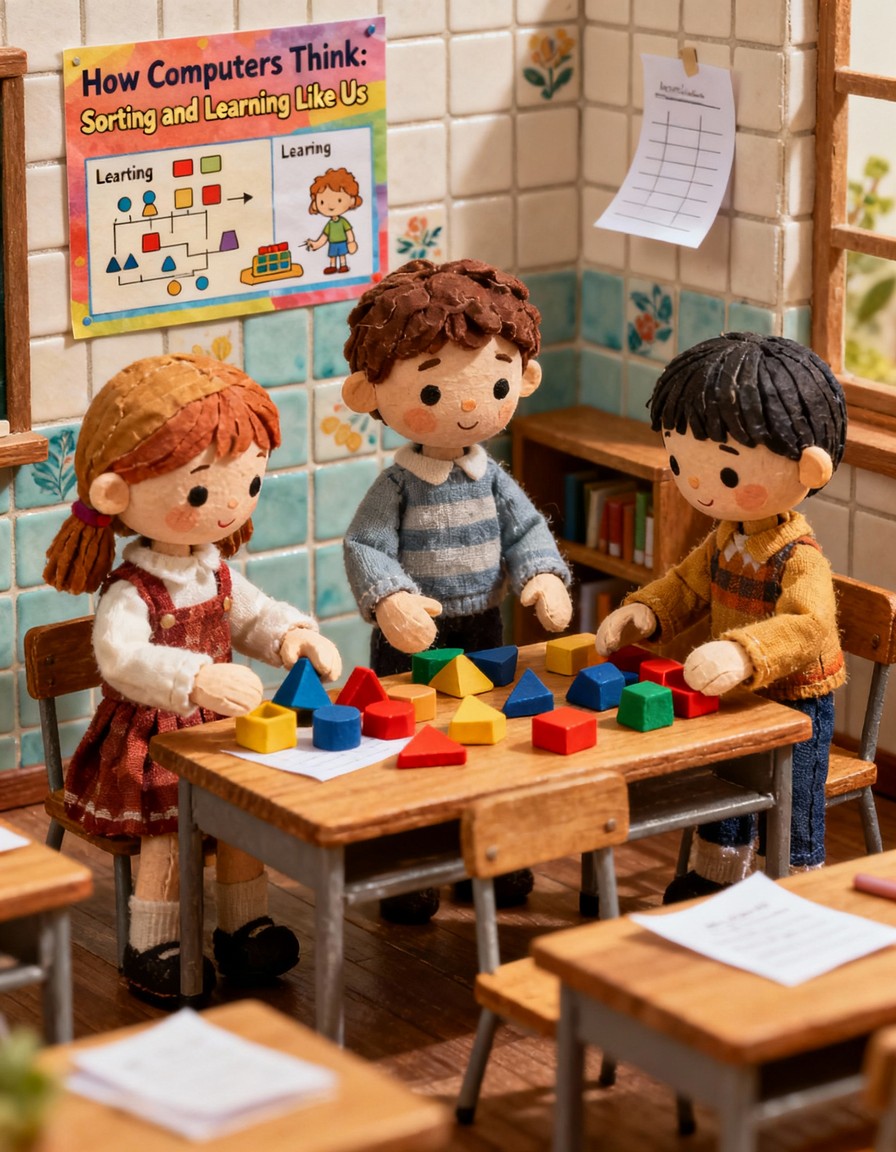
For children aged 4–5
- “AI Friends at Home” – A walk around the house to find all AI technologies; simple explanations of what each one does; a game called “What would our AI friend do?”
- “Sorting Game” – Children sort toys by color, shape, or size; explain that AI does something similar with data; create simple “rules” for sorting
For children aged 6–8
- “Create Your AI Assistant” – Children imagine an AI assistant for their classroom; decide what questions it could answer; create a list of “data” it would need
- “AI Detectives” – A game to spot where AI is used in school; make a map of “AI spots”; discuss how AI helps teachers
According to international forecasts, by 2035 more than 65% of professions will require basic AI literacy. Children who understand AI concepts from an early age will have a significant advantage in both education and career.
Understanding AI helps children:
- Ask better questions about the technologies they use
- Recognize when AI is making decisions for them
- Develop healthy skepticism toward automated answers
Early AI education shapes ethical attitudes toward:
- Data privacy – what we share and why
- Fairness – why AI sometimes makes mistakes or shows bias
- Human connections – the difference between AI and real communication
Recommended Resources
For home use:
- Google’s Quick, Draw! – a free drawing recognition game
- Scratch Jr – programming for young children that introduces algorithmic thinking
- Ask Mode in YouTube Kids – demonstrates how AI answers questions
For the classroom:
- MIT’s App Inventor – visual programming for older kids
- AI for Everyone (adapted for children) – basic AI concepts
- Robotics with KIBO – tangible programming without screens
Signs of Readiness
A child is ready for more advanced AI education when they:
- Ask questions about how technologies work
- Show interest in patterns and rules in games
- Can explain simple cause-and-effect relationships
- Show curiosity about “smart” devices at home
“AI is too complex for kids”
Truth: Children naturally think in patterns and rules. When presented appropriately, AI concepts are perfectly accessible to them.
“AI will replace human teachers”
Truth: AI is a tool that helps teachers personalize learning but can never replace the emotional connection and creativity of a human educator.
“It’s too early to talk about AI with young children”
Truth: Children already use AI daily. It’s better to do it consciously and ethically than to ignore it.
This introduction to the world of AI is only the beginning of an exciting educational journey. In our upcoming articles, we will explore:
- How to develop computational thinking in preschool children
- AI tools without screens – robotics and tangible technologies
- Personalized learning powered by AI
- Ethical questions in AI education
The future of education requires a balanced approach that combines technological literacy with traditional pedagogical methods. Key guidelines for parents and teachers include:
- Start with the simple – use everyday AI interactions as learning moments
- Be curious together – explore AI technologies as a shared adventure
- Ask ethical questions – talk about what’s right and wrong in using AI
- Encourage critical thinking – teach children to question technologies
Experience from leading educational institutions shows that a combination of hands-on activities and open discussion can introduce children to AI in a natural and ethical way. The solution lies not in avoiding technology but in transforming teaching practices to meet the needs of the digital age.
Introducing artificial intelligence to children isn’t just preparation for the future — it’s an investment in their ability to think critically, adapt to change, and stay human in a world of technology.
This article is part of the “AI in Primary Education” series, created by the team at CREATIVITY Ltd. — a licensed training center specializing in digital pedagogy and innovative educational technologies.