
Education for the Future: A Short Guide to Teaching Gen Z and Alpha
Teaching by Generation: How Do We Reach Today’s Learners?
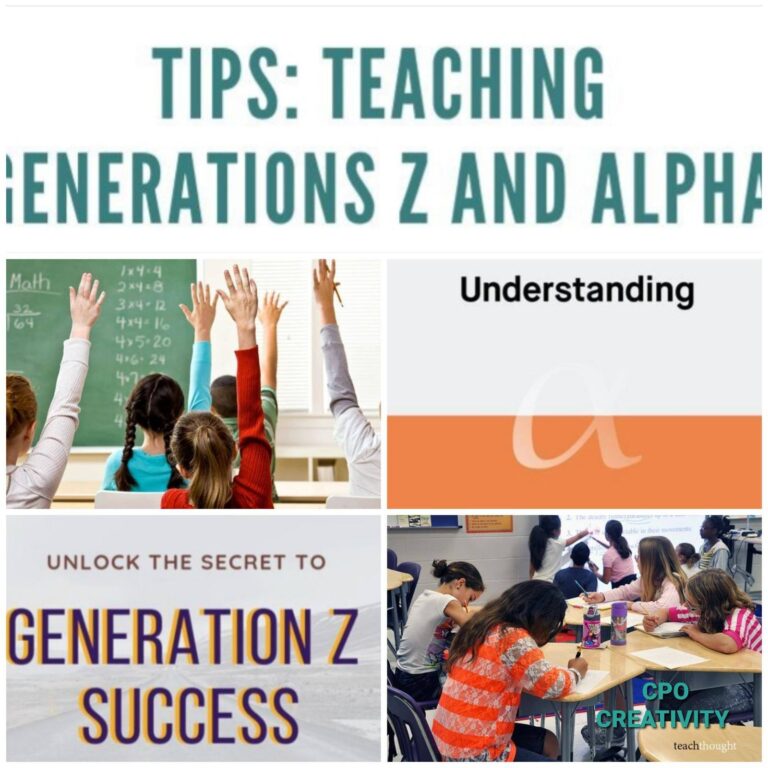
In recent years, education has been going through a profound shift — not just in technology, but in the very psychology of learning. The real change isn’t only in tools or platforms, but in the learners themselves. Every generation learns, thinks, and perceives differently.
📘 Generation Z (1995–2009):
These students were born into the internet age. They love video, thrive in social learning environments, and expect their teachers to act as mentors rather than authority figures. Visual methods, gamified lessons, and real-world projects work best for them.
📱 Generation Alpha (2010–2024):
The youngest learners are born into the cloud — AI assistants, smart environments, and adaptive content are their norm. They want speed, meaning, and emotional engagement. Technology doesn’t impress them — it’s an expectation. They need voice, choice, and purpose in every lesson.
🎓 So how do we teach across generations?
- One size does not fit all – methods must adapt to each generation’s mindset.
- Gen Z thrives with creativity, collaboration, and meaning.
- Gen Alpha needs personalization, flexibility, and hands-on discovery.
- Both generations expect teachers to show empathy, relevance, and adaptability.
- School leaders must invest in tools, training, and a learning culture that reflects modern needs.
🎁 A Free Digital Guide for Teaching Generation Alpha
To help summarize and support these insights, we’ve created a free digital booklet for educators. Inside, you’ll find:
- a comparison between Gen Z and Alpha,
- best practices and what to avoid,
- a sample Alpha learning day,
- a self-checklist for teachers.
📖 Access the digital guide here:
Generation Alpha in the Classroom: A Guide for Teachers and School Leaders
1. Introduction: Who are the Generation Alpha Children?
- Brief definition
- Generational range (2010–2024)
- Author: Mark McCrindle – what does he say?
- What makes them unique: technology, values, expectations
2. Comparison: Generation Z vs. Generation Alpha
| Characteristic | Generation Z (1995–2009) | Generation Alpha (2010–2024) |
|---|---|---|
| Technology | Grew up with the internet | Grew up with AI |
| Primary Devices | Smartphones | Tablets, voice assistants, AR/VR |
| Learning Style | Visual, digital | Interactive, personalized |
| Motivation | Social media, gamification | Instant feedback, meaning |
| Core Value | Individuality | Sustainability, care, connection |
3. Research and Statistics
- Data from McCrindle Research
- Global and Bulgarian insights
- Studies on attention, habits, and digital hygiene
4. How Do Generation Alpha Children Learn?
- Driven by curiosity
- Microlearning and visual content
- Interactive and adaptive formats (e.g. AI, platforms, escape rooms)
5. Teaching Methods: What Works Best
- Project-based learning
- Gamification (missions, badges, rewards)
- Integrating AI and digital technologies
- Blended learning (online + in-person)
- Teamwork and social-emotional skills (SEL)
6. What to Avoid
- Purely lecture-based teaching
- Static lessons without visual elements
- Neglecting emotional needs
- Overloading with instructions and little autonomy
7. Recommendations for School Leaders
- Provide technological and pedagogical support
- Train teachers to work with Generation Alpha
- Be flexible in classroom and schedule design
8. Example Practice: A Day with Generation Alpha
- Morning emotional check-in
- Interactive lesson with choice
- AI assistant or virtual coach
- Group task with visual output
9. Teacher Checklist
- Adapted learning environment
- Diverse methodologies
- Integrated technologies
- Emotional engagement
- Feedback and self-reflection
- Communication with families and students
10. Final Words
Created by the Kreativnost Ltd. team in collaboration with artificial intelligence – supporting the teachers of tomorrow.



6 Comments